

Thinking about picking up the bass? Honestly, it is one of the best decisions you can make as a musician. The bass is the foundation of the entire band. When a bass player is locked in with the drummer and the groove is feeling right, the whole room feels it. If you have been drawn to that low-end rumble and want to be the one holding it all together, you are in the right place. Let's walk through everything you need to know before buying your first bass.
Why Bass Guitar?
Here is something a lot of people don't realize until they start playing: bass players are always in demand. Every band needs one, and good ones are hard to find. The learning curve is friendly enough that you can be playing real music pretty quickly, but the instrument has enough depth to keep you challenged and growing for years. Whether you are drawn to the pocket groove of funk, the drive of rock, the feel of blues, or even the melodic side of jazz, bass fits right in. It is a deeply satisfying instrument to play, and once you start locking in with a drummer, you will understand exactly what all the fuss is about.
4-String or 5-String?
Start with a 4-string. Full stop. Nearly everything you will learn in the early days sits comfortably on four strings, and keeping things simple lets you focus on what actually matters: your feel, your timing, and your ear. A 5-string bass adds a low B string for extended range, and there is a time and a place for it, but that time is not right now. Get comfortable on four strings first and you will have a rock-solid foundation to build from.
Short Scale or Long Scale?
Most bass guitars are long scale, which means the string length from nut to bridge is around 34 inches. That is the standard, and it is what the vast majority of bass music is written around. If you have smaller hands or you are buying for a younger player, a short-scale bass (around 30 inches) can be a lot more comfortable and is worth considering. Fender, Squier, and a few other brands make some really solid short-scale options. When you come into the store, we can help you figure out which feels best in your hands.
Active or Passive Electronics?
This one trips up a lot of new players, but it does not have to. A passive bass has a simple tone circuit and needs no battery. It has a warm, natural sound and is dead reliable. An active bass has a built-in preamp that runs on a 9-volt battery and gives you more tone-shaping options and a hotter signal. For your first bass, passive is almost always the way to go. Fewer things to think about, classic tone, and nothing to go wrong mid-gig when you forget to change the battery.
What Should You Spend?
You do not need to spend a fortune to get a genuinely good beginner bass. Here is a rough guide:
In the $150 to $300 range you will find solid entry-level basses from brands like Squier, Yamaha, and Epiphone. These are real instruments that you can learn on and gig with. They are not just toys.
From $300 to $600, the build quality, hardware, and tone take a noticeable step up. If you are serious about sticking with it, this range is worth the investment and will last you a long time.
Above $600 you are looking at professional-grade instruments built to last a lifetime. If the budget is there, buying once at this level means you probably won't need to upgrade for years.
Don't Forget the Rest of the Rig
A bass on its own is not quite a complete setup. Here is what else you will need to actually start playing:
A small practice amp in the 15 to 30 watt range is perfect for bedroom or rehearsal playing. Look at combo amps from Fender, Ampeg, or Orange as a starting point.
A good instrument cable is easy to overlook, but a cheap one will cause buzzing and drop out on you at the worst times. Spend a few extra bucks here and thank yourself later.
A strap lets you play standing up, which changes the whole feel of the instrument. Make sure it fits the strap buttons securely.
A tuner is non-negotiable. A clip-on or pedal tuner keeps you in tune and trains your ear at the same time. Get one before anything else.
Whether you play with your fingers or a pick is a personal thing, and there is no right answer. Most bass players use their fingers, but a pick gives you a brighter, punchier attack. Try both and go with what feels natural to you.
Come In and Try Some Out
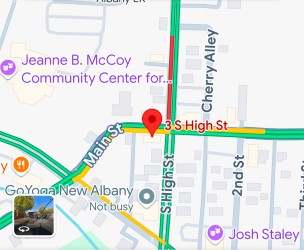
Reading about basses is useful, but nothing beats actually picking one up and feeling how it sits in your hands. Our team at The Pied Piper Music Store in New Albany, OH are musicians too, and we love helping new players find the right fit. We will not just hand you whatever is on the wall. Come in, play a few, ask anything you want, and leave with something you are genuinely excited about. We carry a hand-picked selection of beginner and intermediate basses, amps, and accessories, and we are always happy to point you in the right direction.
See you soon!