




Ordering & Shopping
I'm buying a guitar as a gift but don't know much about instruments. Can you help?
Absolutely. We work with gift givers all the time. If you know the recipient's skill level and musical taste, we can guide you to the right instrument. Call either of our showrooms and we'll ask a few simple questions to narrow it down. We also offer gift cards in any amount if you'd prefer they choose themselves.
Can I try instruments before buying?
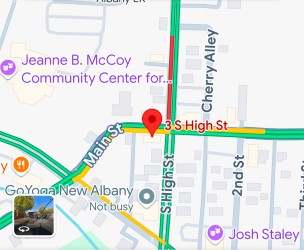
Yes. Both our New Albany, Ohio and Charleston, West Virginia showrooms have demo rooms where you can play guitars, keyboards, and drums. No pressure, no rush—take the time you need to find the right feel and sound.
Do you price match?
We evaluate price match requests on a case-by-case basis for identical new products from authorized dealers. Reach out with the details and we'll work with you.
Do you sell gift cards?
Yes. We offer gift cards in any amount, available online or at either showroom. They're perfect for musicians who know exactly what they want or for gift givers who want to let the recipient choose their own gear.
Shipping & Pickup
How do you ship guitars and other instruments?
We pack every instrument with care. Guitars ship with necks de-tuned to protect against tension damage in transit. Tracking is provided for all orders.
Can I pick up my order in-store?
Yes. Choose local pickup at checkout and we'll have your order ready at either our New Albany or Charleston showroom, usually within 24 hours. We'll email you when it's ready.
Returns & Exchanges
What's your return policy?
You have 30 days from delivery to return most items in new, unplayed condition with original packaging. Instruments must show no signs of use—no pick marks, no strap button installs, no wear. Custom orders, clearance items, and software are final sale. Return shipping is the customer's responsibility unless the item arrived damaged or defective.
Can I exchange an instrument if it's not the right fit?
Yes, within the 30-day return window. We'll help you find a better match. If there's a price difference, we'll either refund or invoice accordingly.
What if my instrument arrives damaged?
Contact us immediately with photos. We'll file a claim with the carrier and send a replacement or issue a full refund. Don't refuse the shipment, we need it for the claim process.
Trade-Ins & Used Gear
Do you accept trade-ins?
Yes. We accept trade-ins on guitars, keyboards, drums, and pro audio gear. Bring your instrument to either showroom and our staff will evaluate its condition and make you an offer. Trade-in value can be applied toward your purchase or issued as store credit.
How do you determine trade-in value?
We assess condition, brand, model, market demand, and current resale value. Well-maintained instruments from reputable brands hold value better. Cosmetic wear, missing parts, or needed repairs will affect the offer. Our staff will walk you through the evaluation and explain the pricing.
Do you sell used instruments?
Yes. We carry a rotating selection of quality used and certified pre-owned guitars, keyboards, drums, and audio gear. Used inventory varies by location and is clearly marked with condition details, photos, and pricing. Check online or visit your nearest showroom to see current availability.
Do used instruments come with a warranty?
Used gear is sold as-is unless otherwise noted. Some certified pre-owned items may include a limited warranty depending on the manufacturer or condition. Ask our staff about warranty coverage for specific used items.
Guitars
I'm a beginner. Which guitar should I start with?
Depends on what music you want to play. Acoustic guitars are great for folk, singer-songwriter, and fingerstyle. Electric guitars suit rock, blues, and jazz. We recommend starting with a quality entry-level instrument from brands like Yamaha or Fender, they're easier to play and stay in tune, which keeps new players motivated.
What brands of guitars do you carry?
We carry Taylor, Fender, Yamaha, Dean, ESP LTD, Gretsch, and EVH guitars. Taylor is renowned for premium acoustic guitars with exceptional tone and playability. Fender is the iconic electric guitar brand behind the Stratocaster and Telecaster. Yamaha builds reliable, high-quality guitars across all price points. Dean specializes in metal and hard rock guitars with aggressive styling. ESP LTD offers professional-grade instruments favored by metal and rock players. Gretsch is known for vintage-inspired hollow and semi-hollow guitars with rich, warm tones. EVH guitars are designed by Eddie Van Halen for high-performance rock and shred playing.
How much should I spend on my first guitar?
Plan to spend $200–$500 for a quality beginner guitar that will stay in tune, play comfortably, and last. Cheaper instruments frustrate new players with tuning issues and poor playability. You don't need a $2,000 guitar to start, but investing in a solid entry-level model makes learning easier and more enjoyable.
Acoustic vs electric guitar for beginners—which is better?
Neither is inherently better—it depends on your goals. Acoustic guitars don't require an amp, work for campfire singalongs and unplugged settings, and build finger strength. Electric guitars have thinner strings and lower action, making them easier on your fingers, and they're better for rock, metal, and blues. Choose based on the music you want to play, not what someone tells you is "easier."
What's the difference between Fender and Squier guitars?
Fender is the original brand known for iconic models like the Stratocaster and Telecaster, built with premium materials and craftsmanship. Squier is Fender's budget line so same classic designs but with more affordable components and overseas manufacturing. Squier guitars are great for beginners and intermediate players who want the Fender look and feel without the premium price.
Are Taylor guitars worth the price?
Yes, if you value tone, playability, and build quality. Taylor acoustic guitars are known for clear, balanced sound, comfortable necks, and innovative construction. They hold their value well and are built to last. If you're a serious acoustic player or advancing beyond beginner level, a Taylor is a solid investment. For casual players or tight budgets, brands like Yamaha offer excellent value.
Ukuleles
What size ukulele should I buy?
Soprano ukuleles (21") are the classic, bright-sounding size—great for traditional Hawaiian music and beginners. Concert ukuleles (23") offer more fret space and slightly fuller tone. Tenor ukuleles (26") have even more room and deeper sound, preferred by fingerstyle players and performers. Baritone ukuleles (30") are tuned differently and sound closer to a classical guitar. Most beginners start with soprano or concert.
What brands of ukuleles do you carry?
We carry Mahalo, Fender, and Kala ukuleles. Mahalo offers affordable, beginner-friendly models with solid construction and playability. Fender brings their guitar-building expertise to ukuleles with quality tone and reliable hardware. Kala is a ukulele specialist known for excellent craftsmanship, tone, and a wide range of models from entry-level to professional. All three brands are trusted choices for players at any level.
Are ukuleles good for kids or beginners?
Yes. Ukuleles are smaller, lighter, and easier on the fingers than guitars perfect for kids and adults just starting out. They're affordable, portable, and you can learn basic chords quickly. Brands like Mahalo and Kala offer beginner models that stay in tune and sound good, which keeps new players motivated.
Can I use a guitar tuner for my ukulele?
Yes, as long as your tuner has a chromatic mode. Standard ukulele tuning is G-C-E-A, which a chromatic tuner can detect. Some tuners have a dedicated ukulele mode that makes it even easier. Clip-on tuners work great for ukuleles and are affordable and portable.
Guitar Pedals & Accessories
What guitar pedals should I start with?
Most players start with the basics: a tuner pedal (essential for live and studio), an overdrive or distortion pedal for gain, and a delay or reverb for ambience. Brands like Electro-Harmonix (EHX) offer reliable, affordable pedals with classic tones that work for any style. From there, add modulation (chorus, phaser, flanger) or time-based effects based on your sound. Build your pedalboard around the sounds you actually use, not what's trendy.
Do I need a pedalboard and power supply?
Once you have more than two or three pedals, yes. A pedalboard keeps your pedals organized, protects them during transport, and makes setup faster. A dedicated power supply eliminates noise, prevents ground loops, and powers multiple pedals reliably, better than daisy-chaining 9V adapters.
What cables should I use for my guitar and pedals?
Use quality instrument cables with solid connectors and proper shielding. Brands like D'Addario and Stagg offer reliable cables that reduce noise, maintain signal integrity, and hold up to regular use. Cheap cables add noise, lose signal, and fail at the worst times. For pedalboards, shorter patch cables (6" to 12") keep things tidy and reduce signal loss between pedals.
How often should I change my guitar strings?
Depends on how much you play and your body chemistry. If you play daily, change strings every 2–4 weeks. Casual players can go a month or two. If your strings sound dull, feel rough, or won't stay in tune, it's time. We carry quality strings from D'Addario, Ernie Ball (including the popular Slinky series), and Elixir. Elixir strings feature a protective coating that extends their life 3–5 times longer than uncoated strings, great if you want to change strings less often.
What guitar strings should I buy?
We carry D'Addario, Ernie Ball, Fender and Elixir strings. Ernie Ball Slinkys are the most popular electric guitar strings in the world, known for bright tone, smooth feel, and consistent quality. They come in different gauges: Super Slinky (lighter, easier to bend), Regular Slinky (balanced and versatile), and Skinny Top Heavy Bottom (great for drop tunings). D'Addario offers excellent phosphor bronze and coated options for acoustic guitars. Elixir strings are coated for extended life, they resist corrosion and tone loss, lasting 3–5 times longer than traditional strings. Ask our staff to recommend the right gauge and type for your playing style.
What accessories do I need for my guitar?
At minimum: a tuner, extra strings, picks, a strap, and a gig bag or hard case. Gator Cases offers durable, protective cases and gig bags for guitars, keyboards, and other gear, essential for transport and storage. Add a string winder, wire cutters, and a cleaning cloth for maintenance. Quality cables from brands like D'Addario or Stagg are essential. If you're gigging, bring a backup cable, extra picks, and a small toolkit for quick fixes.
Do I need a hard case or is a gig bag enough?
Depends on how you're transporting your instrument. Gig bags are lighter, easier to carry, and fine for local gigs or casual transport. Hard cases offer maximum protection for shipping, air travel, or rough handling. Gator Cases makes both, durable gig bags with padding and reinforced hard cases for serious protection. If your guitar is valuable or you're traveling frequently, invest in a hard case.
Drums & Percussion
How do I know what size drum set I need?
Room size and music style matter most. A 5-piece kit works for most genres and fits in standard practice spaces. Jazz players often prefer smaller shells; metal drummers may want larger kicks and more toms. Measure your space and let us know your style, we'll recommend the right configuration.
What brands of drums do you carry?
We carry Tama and Yamaha, drum sets. Tama is known for innovative hardware, durable construction, and versatile kits that work for rock, metal, and everything in between. Yamaha builds reliable, high-quality drums with excellent tone and craftsmanship across all price points, from beginner kits to professional touring setups. Both brands are trusted by drummers worldwide.
Acoustic drums vs electronic drums—which should I buy?
Acoustic drums offer authentic feel, tone, and dynamics, essential for serious players and live performance. They're loud and require space. Electronic drums are quieter (use headphones), take up less room, and offer built-in practice tools and recording options. If noise or space is an issue, go electronic. If you want the real thing and have the room, go acoustic.
What cymbals should I buy for my drum set?
We carry Meinl and Zildjian cymbals. Zildjian is the oldest cymbal maker in the world, known for bright, cutting tones and industry-standard models used across all genres. Meinl offers innovative designs, diverse sound profiles, and excellent value, popular with metal, fusion, and world music drummers. Both brands offer entry-level to professional cymbals. Your choice depends on your budget and the sound you're after.
Meinl vs Zildjian cymbals—which is better?
Both are excellent so it depends on your sound preference. Zildjian cymbals tend to have brighter, more traditional tones favored in rock, jazz, and pop. Meinl cymbals offer darker, more complex tones with innovative finishes and designs that appeal to metal and progressive players. Visit either showroom to hear the difference and find what fits your style.
What drumsticks should I use?
We carry Promark drumsticks, known for consistent quality, durability, and a wide range of sizes and tip shapes. Most beginners start with 5A sticks they're versatile and work for most styles. Heavier sticks (5B, 2B) suit rock and metal; lighter sticks (7A) work for jazz and lighter playing. Tip shape affects cymbal tone—round tips give focused sound, while oval tips spread the tone. Try a few sizes to see what feels right.
Hand Drums & World Percussion
What's the difference between a djembe, cajón, and conga?
Djembes are West African rope-tuned drums played with hands—loud, versatile, great for drum circles and acoustic settings. Cajóns are box-shaped Peruvian drums you sit on and play with your hands, popular in flamenco, acoustic, and unplugged gigs. Congas are tall, barrel-shaped Afro-Cuban drums played with hands and fingers, essential for Latin, salsa, and jazz percussion.
Do I need a stand or bag for my hand drum?
A padded gig bag protects your drum during transport and storage, worth it if you're gigging or traveling. Stands aren't required but help with ergonomics for djembes and congas, especially during long sessions. Cajóns don't need stands since you sit on them.
Can beginners play hand drums or do I need lessons?
Hand drums are beginner-friendly so you can start making music immediately. Basic technique is intuitive, but lessons or online tutorials help you develop proper hand position, tone control, and rhythm patterns. Djembes and cajóns are especially accessible for new players.
What other world percussion instruments do you carry?
We stock bongos, congas, cajóns, djembes, tambourines, shakers, claves, cowbells, and other hand percussion. Selection varies by location, so contact your nearest showroom or check online for current availability.
Keyboards, Digital Pianos & MIDI
What's the difference between a keyboard, digital piano, and MIDI controller?
Digital pianos prioritize realistic piano feel and sound, weighted keys, piano samples, built-in speakers. Models like the Yamaha YDP series are designed to replicate the acoustic piano experience for students and home players. Keyboards (synthesizers and workstations) offer more sounds, rhythms, and production features but may have lighter, synth-action keys. MIDI controllers have no built-in sounds, they send MIDI data to your computer or hardware synth to trigger sounds from software.
I want a digital piano for my home. What should I look for?
Prioritize weighted, hammer-action keys that feel like an acoustic piano, this matters for developing proper technique. The Yamaha YDP series offers authentic piano touch and tone in a compact, furniture-style cabinet. Look for at least 88 keys, quality piano samples, built-in speakers, and a sustain pedal. If you're a beginner or intermediate player, these features are essential.
Can I use a digital piano for lessons?
Yes. Digital pianos like the Yamaha YDP series are ideal for lessons—they have weighted keys, realistic piano sound, and headphone jacks for quiet practice. Many teachers prefer them over cheaper keyboards because they build proper finger strength and technique.
What brands of keyboards do you carry?
We carry Yamaha and Korg keyboards. Yamaha is known for reliable, high-quality instruments at every price point, their digital pianos like the YDP series offer authentic piano feel, while their synthesizers and workstations are industry standards for production and performance. Korg specializes in innovative synthesizers, workstations, and MIDI controllers with powerful sound engines and intuitive workflows. Both brands are trusted by beginners, educators, and professional musicians.
Yamaha vs Korg keyboards—which is better?
Both are excellent so it depends on your needs. Yamaha excels at realistic piano sounds and weighted key action, making them ideal for classical training and piano-focused players. Korg is known for cutting-edge synthesis, creative sound design, and versatile workstations favored by producers and electronic musicians. If you want authentic piano feel, go Yamaha. If you want deep synthesis and production tools, go Korg. Visit either showroom to try both and see which fits your style.
Do I need a MIDI interface to use a MIDI controller?
Most modern MIDI controllers connect via USB and don't need a separate interface , plug into your computer and you're ready to go. If you're using vintage MIDI gear with 5-pin DIN cables, or connecting multiple devices, you'll need a MIDI interface to route signals to your DAW.
I'm setting up a home studio. What keyboard should I get?
If you're producing in a DAW, a MIDI controller with at least 49 keys gives you enough range for chords and melodies without taking up too much desk space. Look for models with velocity-sensitive keys, assignable knobs, and pad controllers for beat-making. Korg and Yamaha both offer excellent MIDI controllers and workstations. If you want standalone sounds and don't want to rely on software, a workstation keyboard or synthesizer is the better choice.
Can I connect my keyboard to my computer for recording?
Yes. Most keyboards have USB-MIDI or traditional MIDI outputs. USB-MIDI is plug-and-play with most DAWs. If your keyboard only has 5-pin MIDI, you'll need a MIDI interface. Some keyboards also have audio outputs you can route into an audio interface for recording the keyboard's internal sounds directly.
Pro Audio & Recording
What's an audio interface and do I need one?
An audio interface converts analog signals (from mics, guitars, keyboards) into digital audio your computer can record, and converts digital audio back to analog for your monitors or headphones. If you're recording vocals, instruments, or podcasts, you need one. Built-in computer sound cards aren't designed for low-latency, high-quality recording.
How many inputs do I need on an audio interface?
Depends on what you're recording. Solo artists recording one mic or instrument at a time can use a 2-input interface. Bands recording drums or multiple musicians simultaneously need 4, 8, or more inputs. Most home studios start with a 2-channel interface and expand later if needed.
What's the difference between a condenser mic and a dynamic mic?
Condenser mics are more sensitive and capture detail, great for vocals, acoustic instruments, and studio recording. They require phantom power (48V) from your interface or mixer. Dynamic mics are rugged, handle high sound pressure levels, and work well for live performance, guitar amps, and drums. They don't need phantom power.
Do I need studio monitors or can I use regular speakers?
Studio monitors are designed for accurate, flat frequency response so you hear your mix honestly, what you hear is what you get. Regular speakers and hi-fi systems color the sound to make music sound better, which can mislead you when mixing. If you're serious about recording and mixing, invest in monitors.
What's a good budget for a home studio setup?
You can start with $500–$1,000 for a basic setup: a 2-channel audio interface ($100–$200), a decent condenser or dynamic mic ($100–$200), studio headphones ($100–$150), a MIDI controller ($100–$200), and a DAW (many offer free versions). As you grow, add studio monitors, acoustic treatment, and more mics. Don't cheap out on the interface and mic—they're the foundation of your sound.
Podcasting & Content Creation
What microphone should I use for podcasting?
USB microphones like the Shure MV7 are great for beginners, plug into your computer and start recording. For better sound and more control, use an XLR dynamic mic (like the Shure SM7B or SM7dB) with an audio interface. Dynamic mics reject room noise better than condensers, which matters if you're not in a treated space.
USB mic vs XLR mic for podcasting—which is better?
USB mics are simpler and more affordable, plug in and record. XLR mics offer better sound quality, more upgrade flexibility, and professional features, but require an audio interface. If you're just starting, go USB. If you want room to grow or plan to record multiple people, invest in XLR mics and an interface.
Can I record multiple people on one podcast setup?
Yes. You'll need an audio interface with enough inputs for each person's mic, or a digital mixer with USB recording. Each person gets their own mic and you can control levels independently. Avoid using one mic for multiple people so it creates uneven levels and makes editing harder.
What gear do I need to start streaming or creating content?
At minimum: a decent USB mic, headphones, and your computer. For better quality, add an audio interface, an XLR mic, and a camera. If you're mixing game audio, music, and voice, a small mixer or streaming interface like the GoXLR or Rode Streamer X gives you independent control over each source.
Do I need acoustic treatment for my recording space?
It helps. Untreated rooms create echo, reverb, and uneven frequency response that make your recordings sound amateurish. Start with basic foam panels or bass traps in corners and behind your mic. You don't need to soundproof the whole room, just reduce reflections and control low-end buildup.
What's the difference between a mixer and an audio interface?
A mixer combines multiple audio sources and controls their levels, EQ, and effects in real time, useful for live sound, podcasting, or multi-source streaming. An audio interface focuses on recording and playback between your gear and computer. Some devices do both—hybrid mixer-interfaces give you mixing controls and multi-track USB recording in one unit.
Lessons & Expert Help
Do you offer music lessons?
We don't offer lessons in-house, but we're happy to refer you to excellent local instructors for guitar, piano, drums, and other instruments. Our staff are all musicians and can point you toward trusted teachers in the New Albany and Charleston areas.
Can your staff help me choose the right instrument?
Absolutely. Every member of our team is a musician with hands-on experience. Whether you're a beginner, upgrading your gear, or shopping for someone else, we'll ask the right questions and guide you to the best fit for your needs, style, and budget. No sales pressure, just honest advice from people who play.
Warranty & Repairs
Do instruments come with a warranty?
Yes. Most new instruments include the manufacturer's warranty, typically 1–5 years depending on the brand. We'll provide warranty details with your order and help facilitate claims if needed.
Do you offer repair services?
Yes. Both showrooms have experienced techs on staff. We provide professional setups, restringing, electronics work, and repairs for guitars, basses, keyboards, and drums. Contact your nearest location to schedule service or discuss your repair.
Payment & Financing
What payment methods do you accept?
We accept all major credit cards, debit cards, PayPal, Shop Pay, and Apple Pay. Financing options are available through Shop Pay Installments for qualifying orders.
Do you offer financing?
Yes. Shop Pay Installments lets you split purchases into interest-free payments. Eligibility and terms are determined at checkout.
Still Have Questions?
Reach out anytime. Call our New Albany, Ohio showroom or our Charleston, West Virginia showroom, or email us through our contact page. We're here to help you find the right gear.